


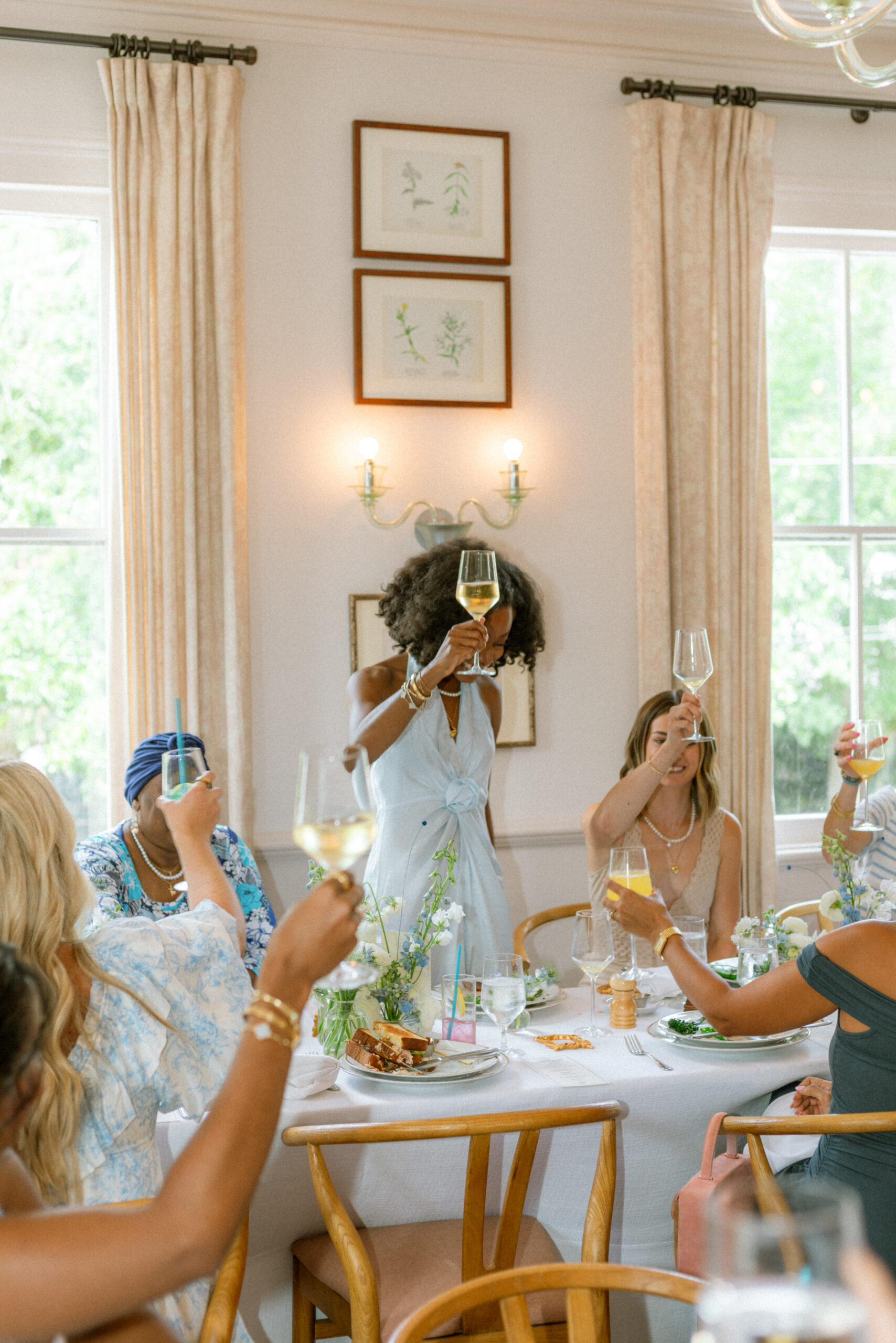

There’s a version of a dinner party that lives in your head — the one where everything is beautiful, the food comes out perfectly, and the conversation never lulls. That version is lovely. It’s also not real.
The real version is messier, warmer, and honestly more memorable. The best dinner parties I’ve ever hosted didn’t go perfectly. They went intentionally. And there’s a difference.
Here’s what I’ve learned actually matters.
Start with the guest list, not the menu.
The food is never what people remember. The people are. Before you think about what you’re serving, think about who’s sitting across from whom. A table of eight strangers with nothing in common is hard work for everyone, including you. A table of six people who are about to become friends? That’s a dinner party.
Mix the room a little. Seat people next to someone they don’t know well. Let the conversation surprise you.
Set the table before you do anything else.
I mean this literally. The table is the one thing you can finish early, and finishing it early changes how you feel about everything else. When the table is set — candles, linens, glasses — the whole apartment feels ready, even if you’re still in your robe.
It also means that if something goes wrong in the kitchen, at least the room looks beautiful. And often, that’s enough.
Light the candles before guests arrive.
Not when people walk in. Before. A candle that’s been burning for twenty minutes looks like it belongs there. A freshly lit candle looks like you just remembered. The difference is small and it is everything.
Same goes for music. Have it on before the first knock at the door.
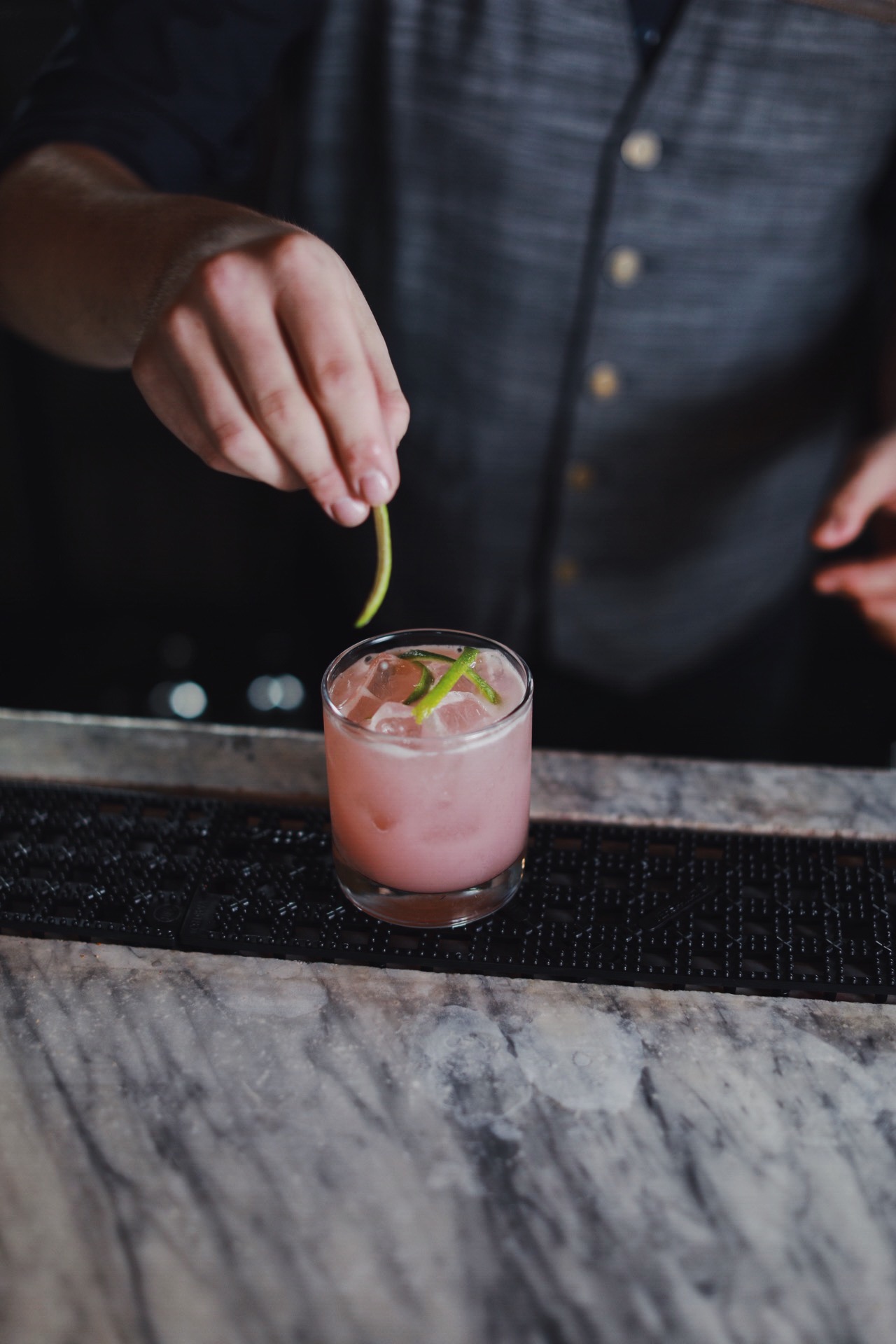
Make the first drink easy.
The first ten minutes of a dinner party are the most awkward — for your guests and for you. Make them easier by having one drink ready to hand someone the moment they walk in. You don’t need a full bar. You need one thing that says you’re expected, you’re welcome, here.
A batch cocktail, a bottle of something sparkling, a carafe of water with citrus. Simple. Ready. Waiting.
Cook something you’ve made before.
A dinner party is not the night to attempt a new technique, a complicated sauce, or anything that requires your full attention for the hour your guests are there. Cook something you know. Something that can sit, rest, or be finished quickly.
The best dinner party dishes are the ones that let you be in the room instead of the kitchen.
Give yourself a moment before anyone arrives.
Ten minutes. Just ten. After the table is set and the candles are lit and the first drink is ready — stop. Look at what you’ve made. Pour yourself something. Take a breath.
Guests can feel when their host is frantic. They feel that just as much as they feel the warmth of a room that was made for them. The goal is to be present when your people arrive, not still arriving yourself.
Slow down at the table.
Clear plates slowly. Refill glasses without asking. Let the conversation run past the point where you thought you’d be done. The best part of most dinner parties is what happens after everyone decides to stay a little longer than they planned.
Don’t rush that. You made this table for exactly that reason.
The thing no one tells you.
People are not coming to your dinner party to evaluate it. They’re coming because you invited them, and that invitation — the act of saying I want you here — is already the whole point.
Everything else is just the details. And the details, done with a little love and a lot of intention, have a way of taking care of themselves.






Read the Comments +